

You know the room. Maybe it’s on the second floor. Maybe it’s down in the basement. It’s ice cold no matter what you do. You open the door to the hallway. You check the air vents again. Finally, you crank the thermostat up high. Now, that stubborn room is still cold, and the rest of the house is uncomfortably hot.
Many New Castle homeowners believe replacing the HVAC system is their only option. But can you add zoning to an existing ducted system? For many homes, you can. By adding zoning controls to your home’s HVAC system, you can finally make that room comfortable without installing a new HVAC system.
An HVAC zoning system sends conditioned air to specific parts of your home, such as rooms areas that are always too hot or too cold. However, zoning isn't the best option for every home. Your ductwork, equipment, airflow and existing controls should be checked before installation.
Understanding HVAC Zoning Systems
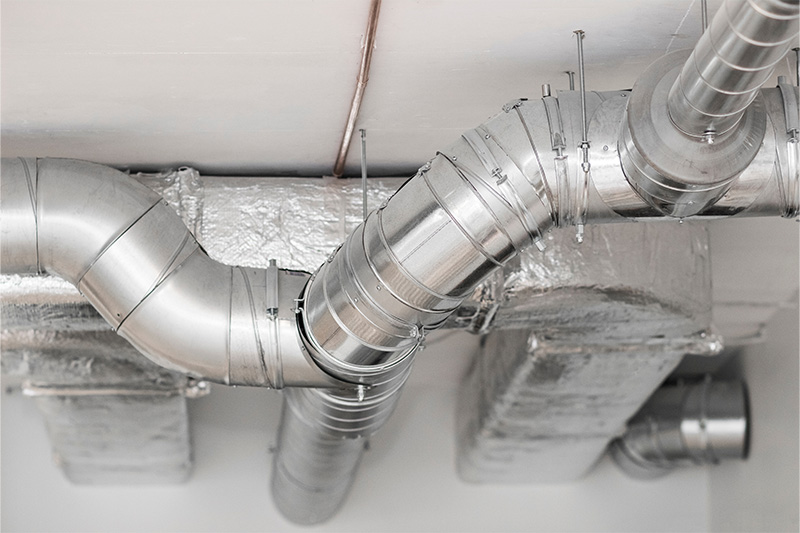
HVAC zoning systems separate a home into different comfort areas. Each zone has a dedicated thermostat. Motorized dampers inside the ductwork regulate the amount of conditioned air delivered to each zone.
A zone control system for your HVAC means you can set different temperatures for each zone. Instead of treating the entire house as one space, the precise temperature control with a ducted zoning system provides more individualized comfort.
Can an Existing Ducted HVAC System Be Zoned?
Adding zoning to an existing HVAC system can increase comfort in many homes. However, not every system can be easily retrofitted with HVAC zoning.
To decide if zoning is a match for your home, a professional evaluation should look at several important factors:
- Home duct layout: Ducts must be able to support separate zones.
- Your current equipment type: Some HVAC systems work better with zoning controls than other systems.
- Blower strength: The blower must be able to handle changing airflow as HVAC dampers operate.
- HVAC system age: Older equipment may not have the features to be compatible with zoning controls.
- Control board compatibility: The equipment must be compatible with the new zoning controls.
- Ductwork setup: Technicians need be able to reach your ductwork for damper and wiring installation.
- Number of zones: More zones can increase installation complexity.
An HVAC professional should assess your HVAC system before determining whether zoning is appropriate.
7 Reasons Your Home Might Benefit from Adding Zoning
If your home has these common comfort problems, it may be well suited to zoned heating and cooling:
- Upper Floor stays hotter than the ground floor: Multi-story homes often have varying heating and cooling needs. Zoning can send more conditioned air to areas that need it.
- Finished basements remain chilly: Because they are below ground, basements are often colder than main floor and upper story rooms. A separate zone can account for those temperature differences.
- Rooms with large windows get too hot: Solar heat gain can make these rooms warmer than the rest of the home.
- Extra rooms above garages: These ares often have different temperature demands.
- Additions not served well by HVAC: An addition may have different ductwork or exposure.
- Family members fight over the thermostat: Separate zones can reduce thermostat disagreements.
- West-facing rooms become much warmer: Sun streaming through large windows, especially on the west side of a home, can make rooms uncomfortably hot at the end of the day.
What Are the Benefits of Adding HVAC Zoning?
HVAC zoning benefits begin with improved comfort. Zoning can provide consistent temperatures with personalized settings. It also is designed to eliminate the need to overheat or overcool some rooms to make other parts of your home a more comfortable temperature.
Depending on the home, zoning may improve energy efficiency and reduce unnecessary runtime. However, energy savings are not guaranteed, and correct system design is important.
When Zoning May Not Be the Best Solution
Zoning isn’t always the best way to solve heating and cooling challenges. Before investing in a home zoning system, an HVAC professional should identify any underlying problems.
Inadequate insulation, air leaks, damaged ductwork and improper system design can cause rooms to be uncomfortably hot or cold. Incorrectly sized HVAC systems can also create comfort problems that zoning will not solve. Poor airflow, dirty filters and closed registers should be addressed first considering zoning.
In some homes, strategies like HVAC airflow balancing or making duct repairs may be a more effective approach than adding zoning controls.
What Does HVAC Zoning System Include?
Professional HVAC zoning installation begins with evaluating your home, testing airflow and inspecting the ductwork to determine where zones and dampers should be placed.
Installation includes installing motorized HVAC dampers in your duct work, thermostats and control wiring. The technician then tests the individual zones and adjusts the system. Installation time varies based on factors such as ductwork access, the number of zones and overall system complexity.
Is HVAC Zoning Worth It?
If your upstairs is frequently hotter than the lower level or your home has other stubborn comfort differences, zoning could be a worthwhile option. HVAC zoning cost in your home depends on the number of zones, ductwork changes and controls.
The best way to find out if zoning is right for you is to have an experienced HVAC contractor like Central Heating & Plumbing assess your home and current HVAC system. Our team will assess your ductwork, equipment, airflow and controls and recommend the right approach.
If you’re considering adding zoning to your HVAC system, Central Heating & Plumbing can help. If zoning is right for your home, we’ll suggest a system that’s right for you. If it’s not the best approach, we’ll recommend other HVAC solutions we think are better suited to your home and comfort challenges. Our only goal is to make your home a comfortable, enjoyable place.
Take the next step toward a more comfortable home. Request an in-home estimate for zoning today.